What a Professional Roof Inspection Covers and Why It Matters
A professional roof inspection evaluates the condition of your roof, identifying potential issues and helping ensure your home’s safety with trusted local contractors.
A professional roof inspection provides property owners with a thorough assessment of the roof's current condition, highlighting areas that may need attention before they develop into costly issues. These inspections typically cover key components such as shingles, flashing, gutters, and ventilation systems, ensuring that every part of the roof is functioning properly. For homeowners and property managers in the area, understanding what a professional roof inspection covers and why it matters can be essential for maintaining the integrity of the building and protecting its value over time.
Regular inspections by experienced service providers can help identify early signs of damage or wear, such as leaks, broken shingles, or structural concerns, which might otherwise go unnoticed. By addressing these issues promptly, property owners can prevent more extensive repairs and avoid unexpected disruptions. Whether preparing for seasonal changes or assessing the roof’s overall health, connecting with local contractors who specialize in roof inspections ensures that the job is done thoroughly and accurately, giving peace of mind and supporting the long-term durability of the property.
- Residential roof inspections are needed when homeowners want to assess roof condition after severe weather or before selling, with local contractors thoroughly evaluating for damage or wear.
- Commercial roof inspections are essential for business property managers seeking to identify leaks or structural issues that could disrupt operations, with service providers inspecting all roofing components.
- Pre-purchase roof evaluations help buyers understand potential repair needs before finalizing a property purchase, with local pros conducting detailed assessments of the roof’s overall health.
- Post-storm roof assessments are critical after storms to detect hidden damage that may not be visible from the ground, with experienced inspectors carefully examining for issues like missing shingles or compromised flashing.
- Routine maintenance inspections are performed to prolong roof lifespan and prevent costly repairs, with local contractors providing comprehensive evaluations of roofing systems on a regular basis.
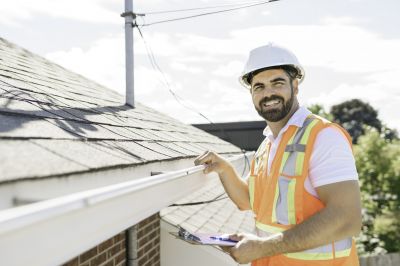

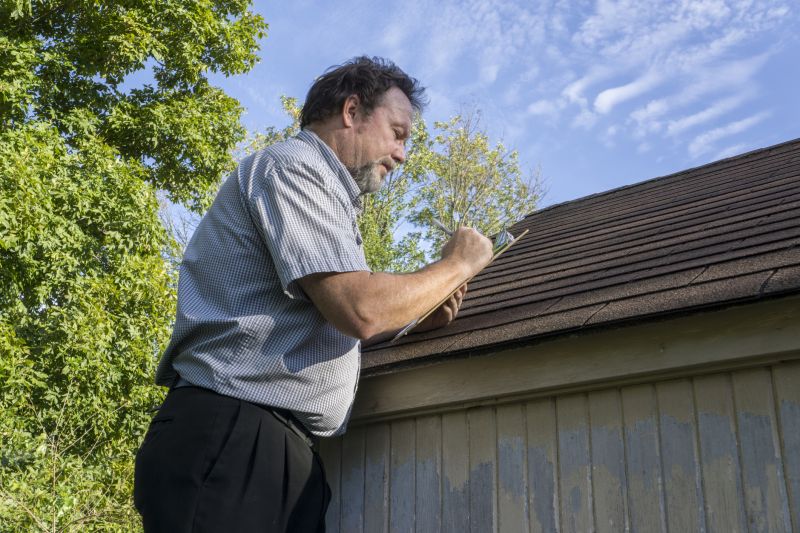
A professional roof inspection typically covers a thorough assessment of the roof’s overall condition, including identifying existing damage, potential problem areas, and signs of wear that could lead to future issues. During the inspection, service providers examine key components such as shingles, flashing, vents, gutters, and the roof’s structural integrity. They look for visible signs of deterioration like cracked or missing shingles, curling edges, or damaged flashing that could allow water intrusion. Additionally, they assess the roof’s drainage systems to ensure water flows away properly, reducing the risk of leaks and water damage inside the property.
Understanding what a professional roof inspection covers is essential because it relates directly to both maintaining the value of a property and planning necessary repairs or upgrades. Homeowners often seek these inspections when preparing for a sale, after severe weather events, or when noticing signs of trouble like leaks or water stains inside the home. The inspection helps identify issues early before they develop into costly repairs, and it provides a clear picture of the roof’s remaining lifespan. This proactive approach supports informed decision-making about repairs, replacements, or ongoing maintenance to protect the property’s structure and interior.
The scope of a roof inspection also extends to evaluating the roof’s suitability for upcoming projects, such as installing solar panels or adding roof-mounted equipment. It’s relevant for homeowners who want to confirm the roof’s capacity to support additional weight or modifications. Service providers inspect for structural damage, sagging areas, or compromised materials that could pose challenges during such projects. For properties that have experienced storms, hail, or wind damage, these inspections are vital for assessing whether repairs are needed to restore the roof’s integrity and prevent further issues.
Typically, properties that come up in these searches include single-family homes, multi-family residences, and small commercial buildings. These inspections are equally important for older roofs nearing the end of their lifespan and newer roofs that may have manufacturing defects or installation issues. Whether the property is a primary residence, rental unit, or commercial space, local contractors can provide comprehensive roof inspections tailored to each type. These professionals help homeowners and property managers understand the current condition of their roofs and plan appropriately for repairs, maintenance, or replacement, ensuring the longevity and safety of their properties.
Gutter and drainage system inspections - these projects require similar assessment skills and tools to evaluate how water flows away from structures, which is essential in understanding roof condition and potential water damage.
Attic and ventilation assessments - evaluating attic spaces and ventilation systems involves planning and inspection techniques that complement roof evaluations and help identify issues affecting roof longevity.
Exterior siding and fascia inspections - examining siding and fascia boards shares similar planning and visual assessment skills, providing a comprehensive view of the building's exterior health alongside roof condition.
Chimney and flashing evaluations - inspecting flashing and chimney components involves detailed planning and tools comparable to roof inspections, ensuring water intrusion points are identified and addressed.
Structural integrity assessments - these projects involve evaluating the overall stability of a building, requiring planning and inspection skills that align with those used in thorough roof evaluations.
Leak detection and moisture testing - identifying hidden leaks and moisture issues shares investigative techniques with roof inspections, helping to prevent costly damage by pinpointing problem areas.
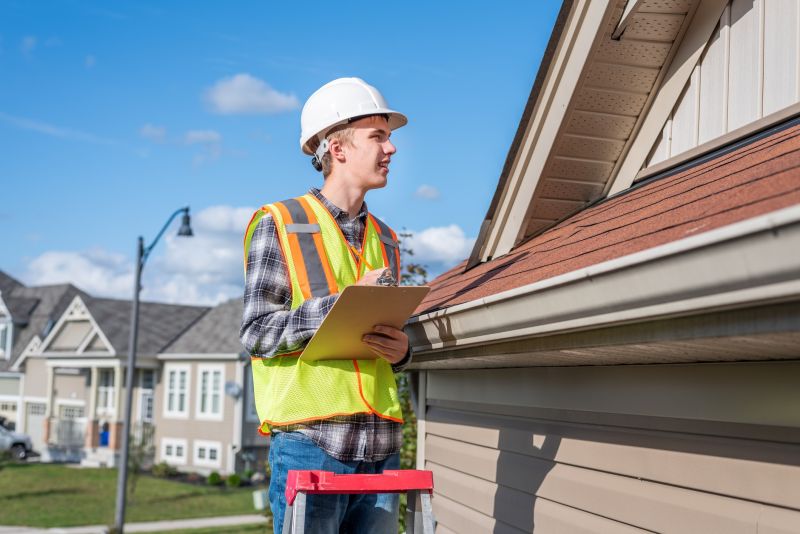
When comparing service providers for roof inspections, it’s important to consider their experience with similar projects. Homeowners should inquire about how long a contractor has been performing roof inspections and whether they have handled properties with comparable roof types or age. An experienced contractor is more likely to recognize potential issues that might be overlooked by someone new to the field, ensuring a thorough assessment of what a professional roof inspection covers and why it matters. Additionally, understanding their familiarity with local building conditions and common roof problems can provide confidence that the inspection will be comprehensive and tailored to the specific needs of the property.
Clear, written expectations are essential when evaluating different contractors. Homeowners should seek detailed descriptions of what is included in the roof inspection, such as checking for damage, wear, leaks, and structural concerns. This transparency helps ensure there are no misunderstandings about the scope of work and what the inspection will cover. Well-defined expectations also make it easier to compare service providers objectively, focusing on those who provide comprehensive and clear documentation of their findings. A reputable contractor will be able to explain what they will evaluate and why each aspect is important, helping homeowners understand the significance of the inspection process.
Reputable references and good communication are key factors in selecting a reliable service provider. Homeowners can ask for recommendations or reviews from previous clients to gauge the quality of the contractor’s work and their professionalism. Good communication involves prompt responses to questions, clarity in explanations, and a willingness to address concerns throughout the process. Service providers who prioritize clear, ongoing communication and have positive references are more likely to deliver a thorough inspection experience that aligns with the importance of understanding what a professional roof inspection covers and why it matters. This ensures homeowners feel confident in the expertise and reliability of the contractor they choose.
Property owners often search for what a professional roof inspection covers and why it matters when they are planning practical projects around their homes and businesses. Local pros provide Roof Inspection services for everyday jobs and straightforward project options.
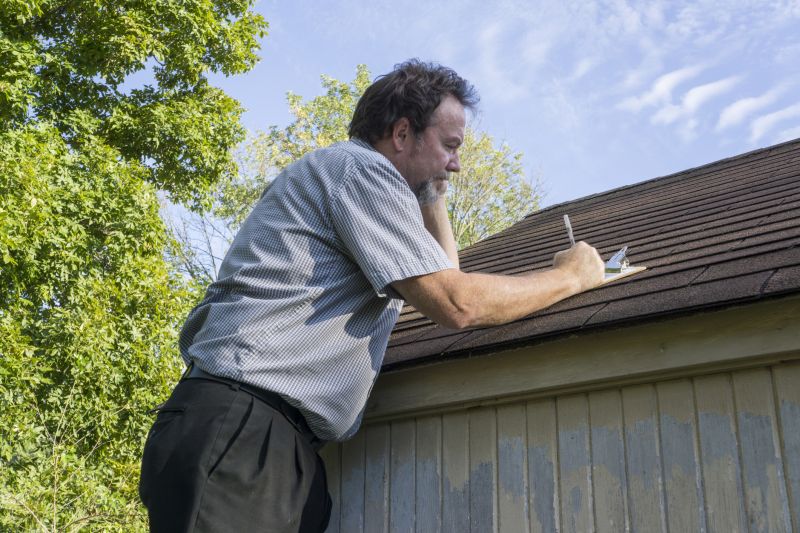
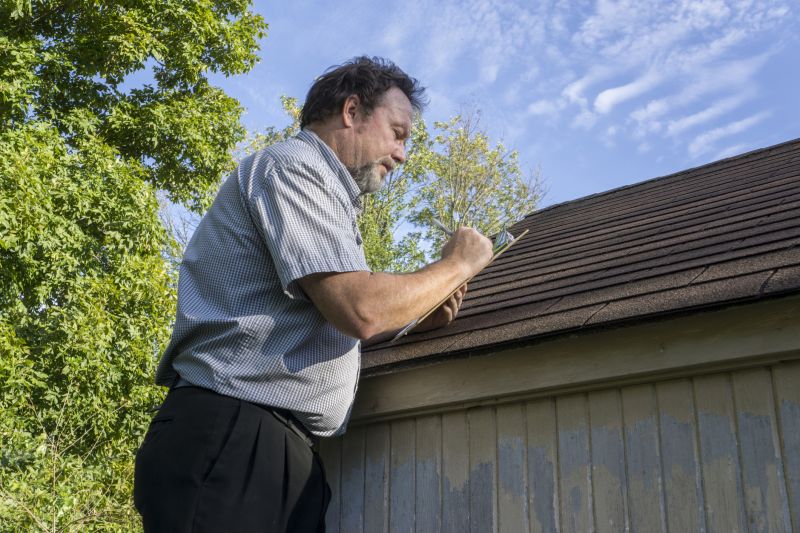
A professional roof inspection typically covers a thorough assessment of the roof’s overall condition, including the detection of damaged or missing shingles, signs of wear, and potential leaks. Inspectors examine key components such as flashing, vents, gutters, and the structural integrity of the roof deck to identify issues that might not be immediately visible from the ground. For property owners in the area, understanding what a professional roof inspection covers can help determine whether their roof is still in good shape or if repairs are needed to prevent more extensive damage down the line.
Why it matters is especially relevant for homeowners and property managers facing seasonal changes or after severe weather events. Regular inspections can reveal hidden problems early, saving money and avoiding unexpected repairs. Local contractors who specialize in roof inspections are equipped to provide a detailed evaluation, giving property owners peace of mind and a clear picture of their roof’s condition. Considering professional services ensures that all critical areas are checked thoroughly, helping to maintain the property’s value and protect it from potential damage.
What does a professional roof inspection typically cover? A professional roof inspection assesses the condition of roofing materials, identifies signs of damage or wear, checks flashing and seals, and evaluates drainage systems to ensure the roof's integrity and longevity.
Why is a roof inspection important before or after severe weather? It helps identify any damage caused by weather events, such as storms or hail, which might not be visible from the ground, ensuring timely repairs to prevent further issues.
How can a roof inspection help prevent future problems? By detecting early signs of damage or deterioration, a roof inspection allows for proactive maintenance and repairs, reducing the risk of costly repairs or roof failure later on.
What specific issues do professional roof inspections look for? Inspectors look for cracked or missing shingles, damaged flashing, leaks, mold or algae growth, and structural issues that could compromise the roof's performance.
How do local contractors ensure a thorough roof inspection? They follow comprehensive inspection procedures, use specialized tools, and have experience identifying both obvious and hidden issues that could affect the roof's durability and safety.
Understanding roof condition - A professional roof inspection helps property owners identify current issues that may affect the roof’s integrity and plan necessary repairs or replacements.
Detecting hidden damage - Local contractors can uncover problems like leaks or structural weaknesses that are not visible during casual inspections, preventing costly surprises later.
Assessing roofing materials - Inspection services evaluate the condition of shingles, flashing, and other components to determine if they need maintenance or replacement soon.
Planning maintenance and upgrades - Knowledge gained from a professional inspection guides property owners in scheduling timely upkeep or upgrades to extend roof lifespan.
If you are thinking about what a professional roof inspection covers and why it matters for a property, this guide is meant to help you understand this topic, the typical project types, and how different options might fit your plans.
When you are ready, you can use the quote form on this page to share a few details about your project. From there, local pros can review the basics and follow up with options that match what you have in mind.